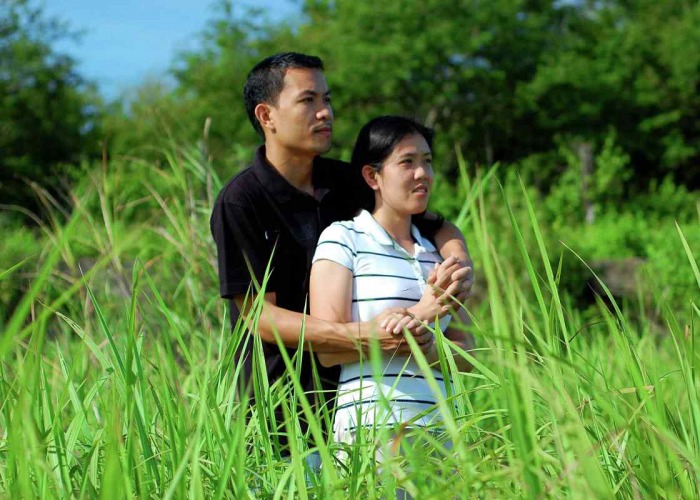
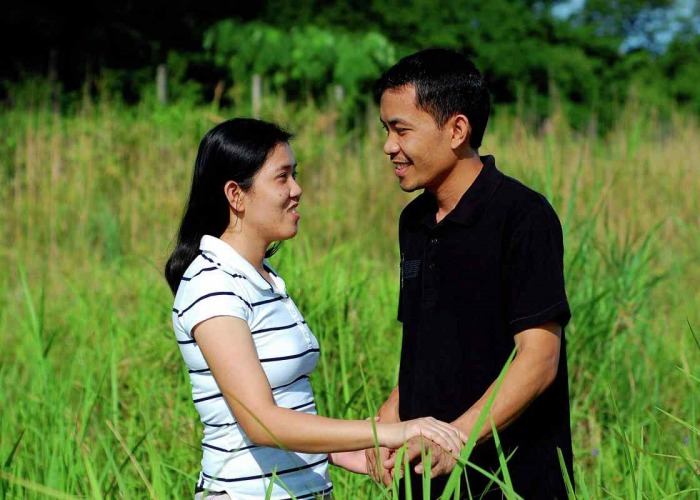
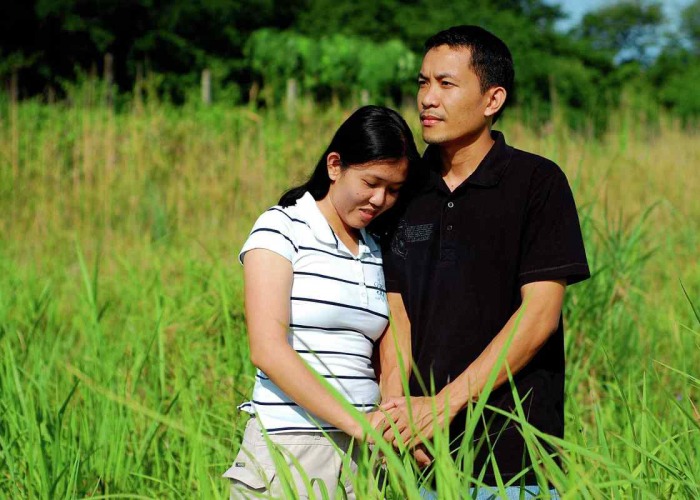
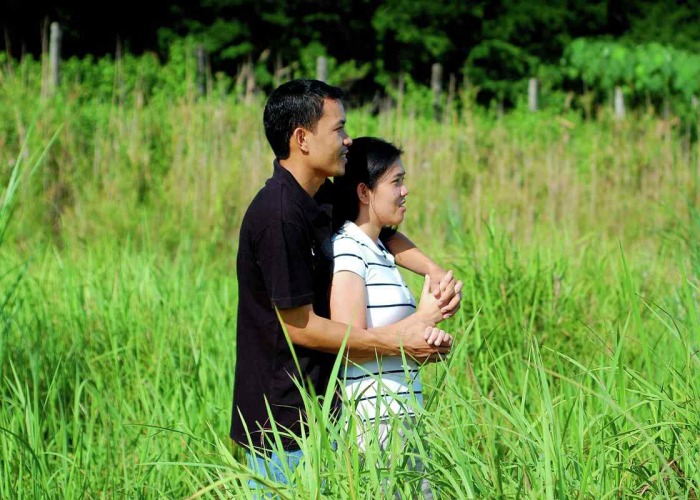
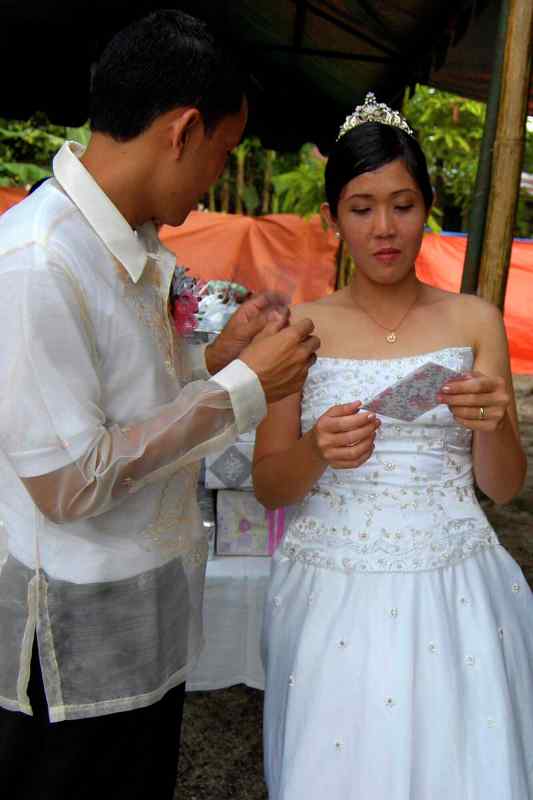
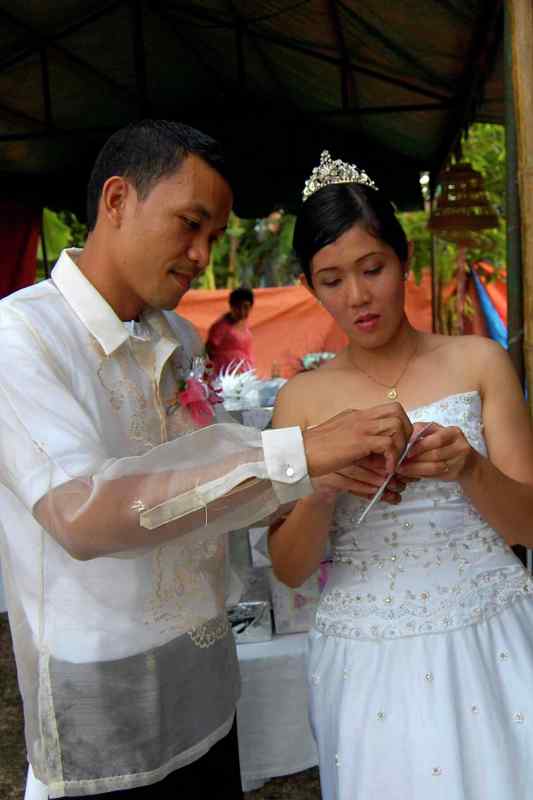
GERRY AND HANNAH, SEPTEMBER 27, 2009
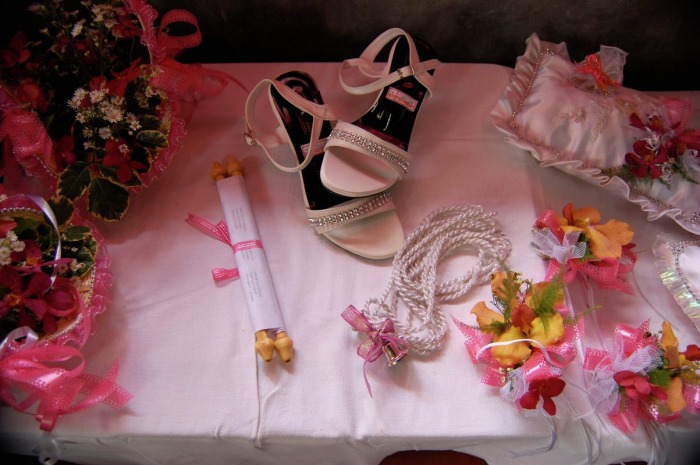
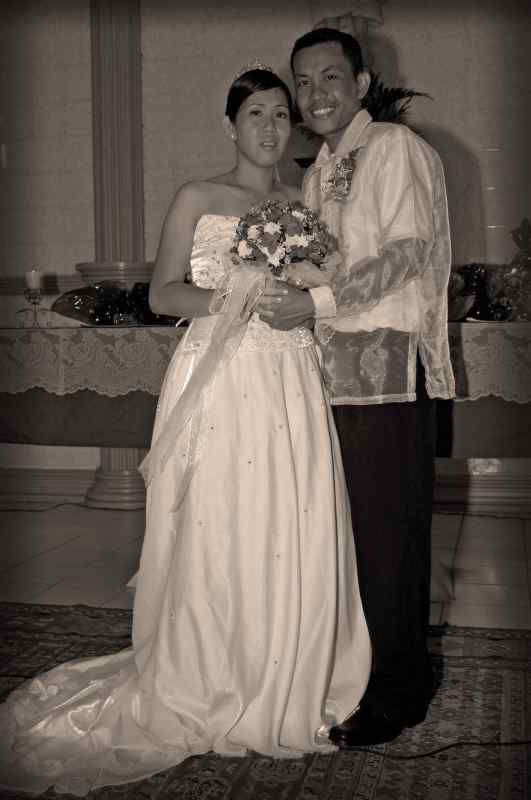
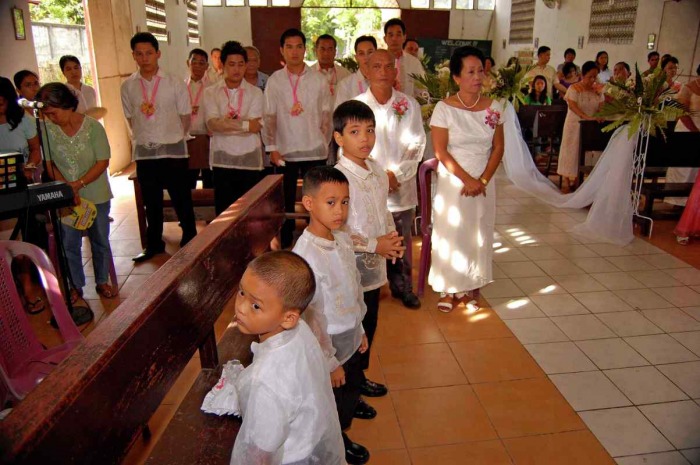
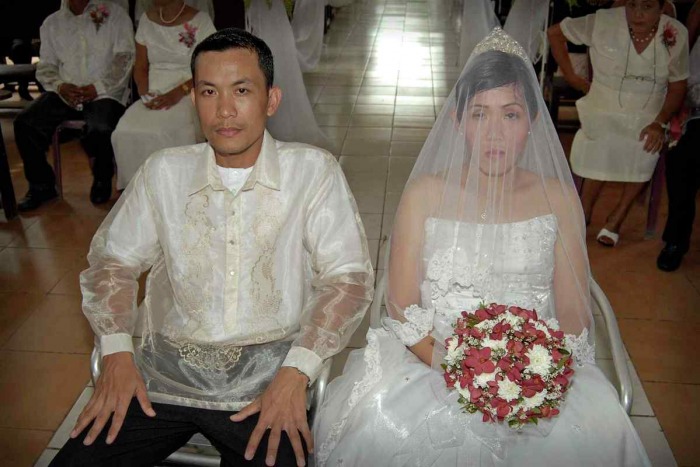
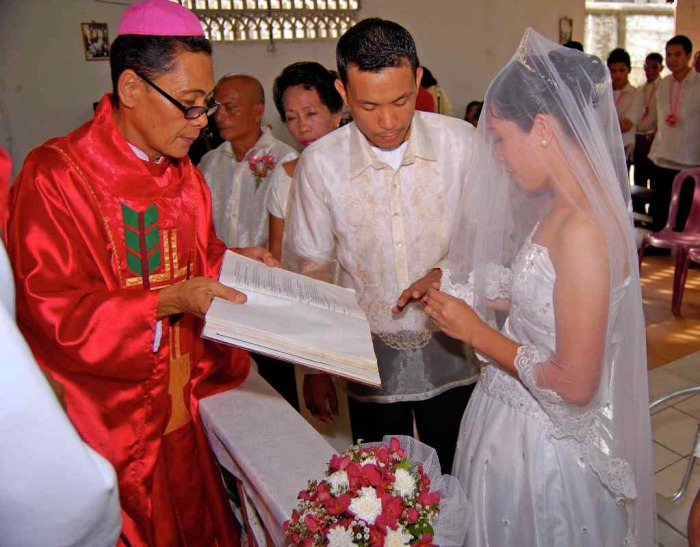
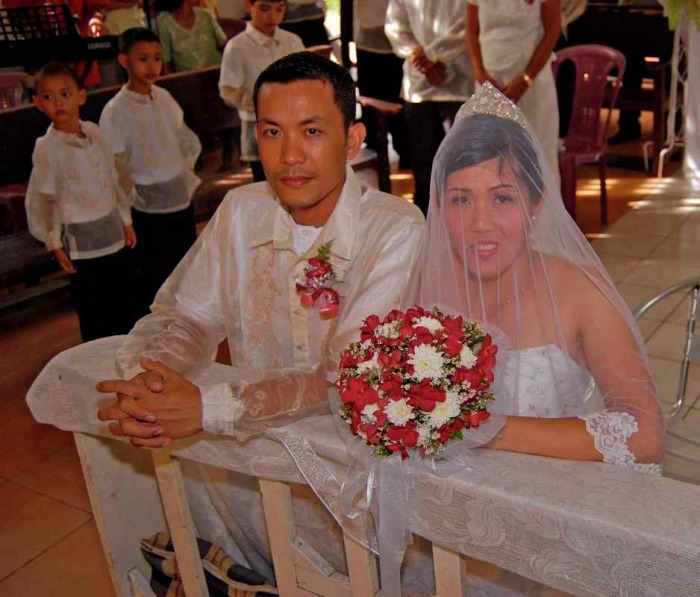
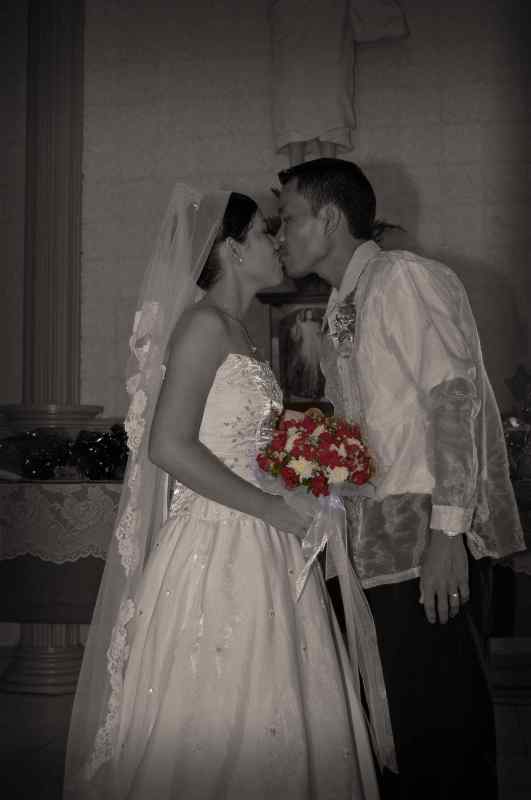
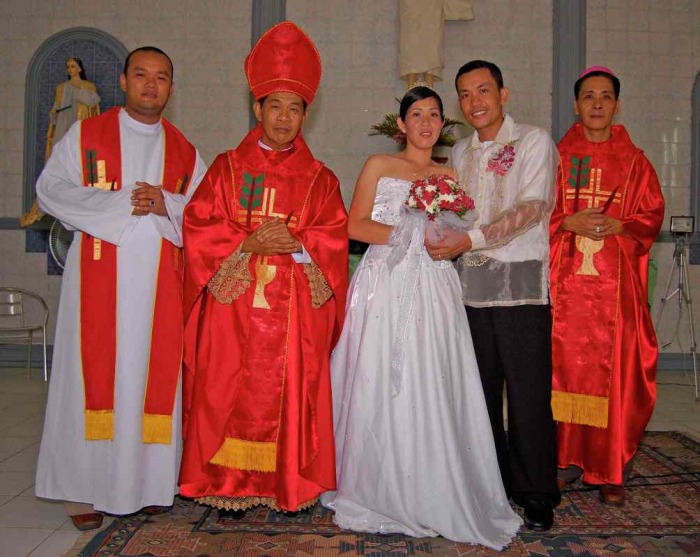
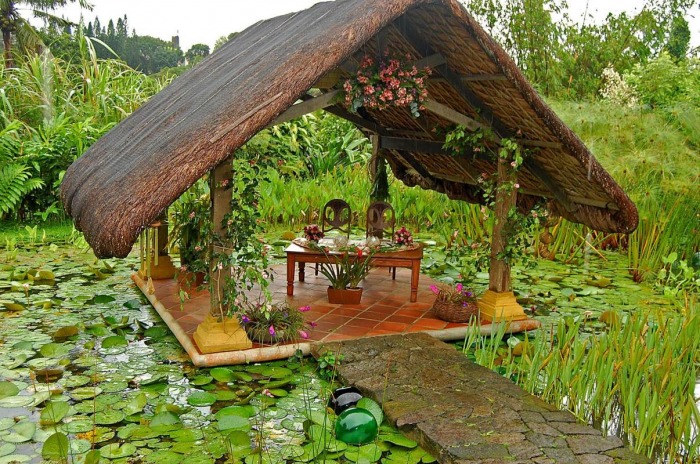
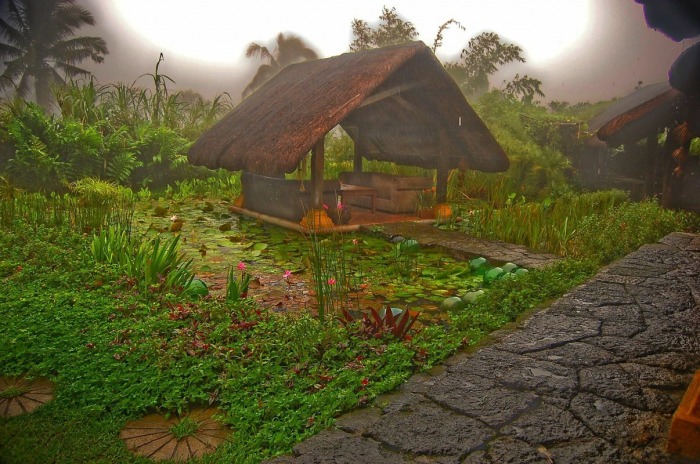
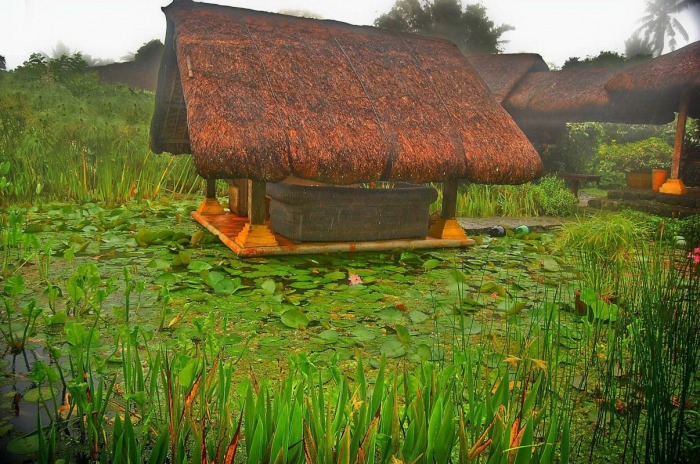
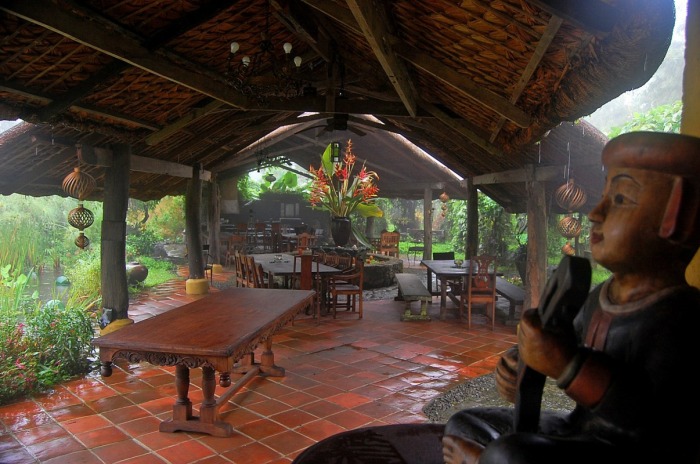
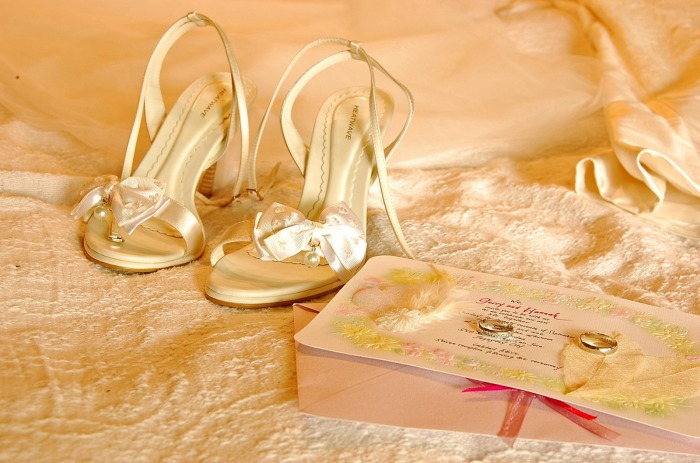
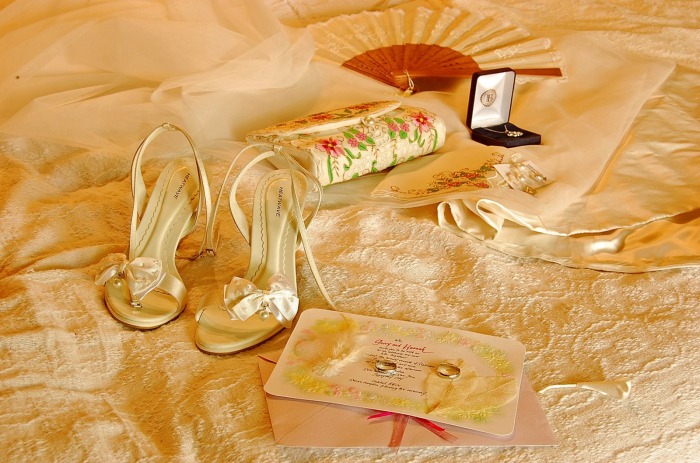
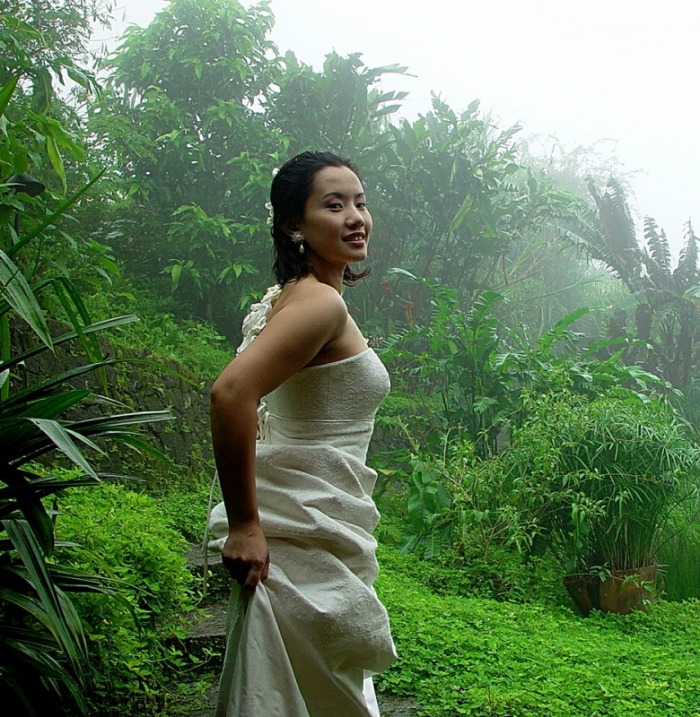
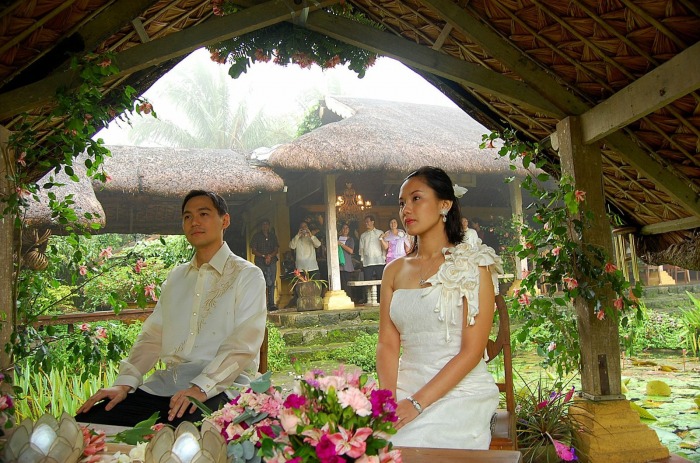
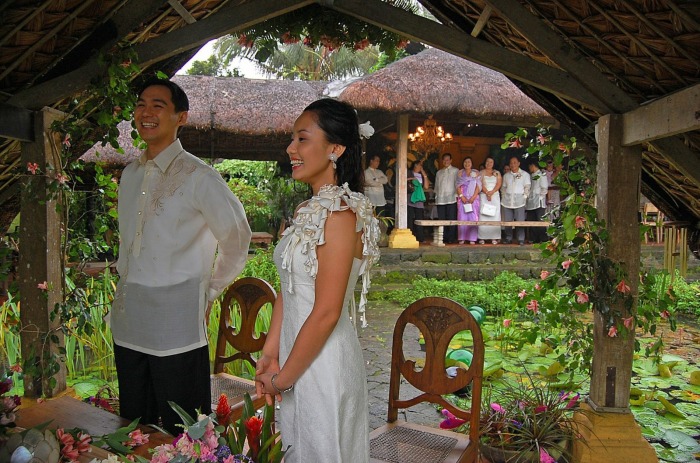
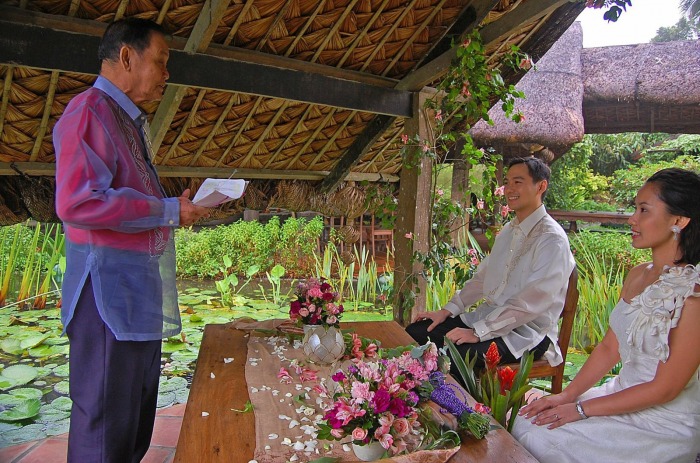
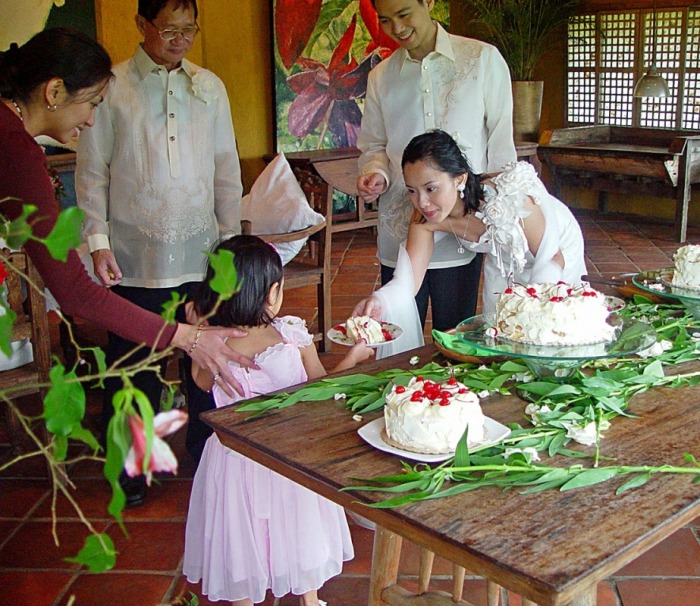
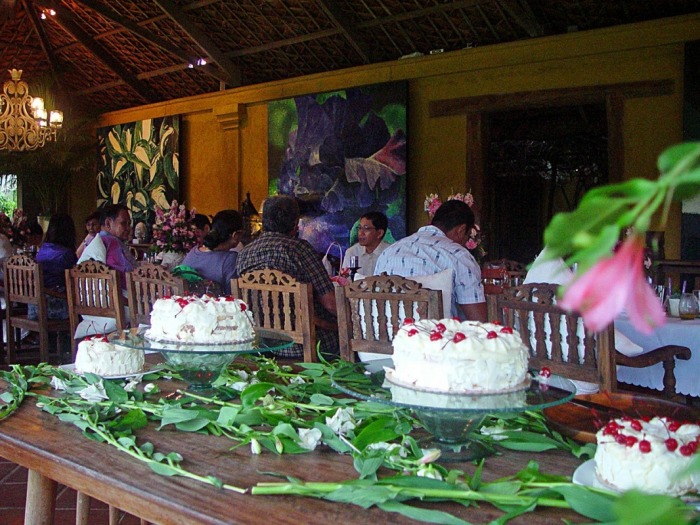
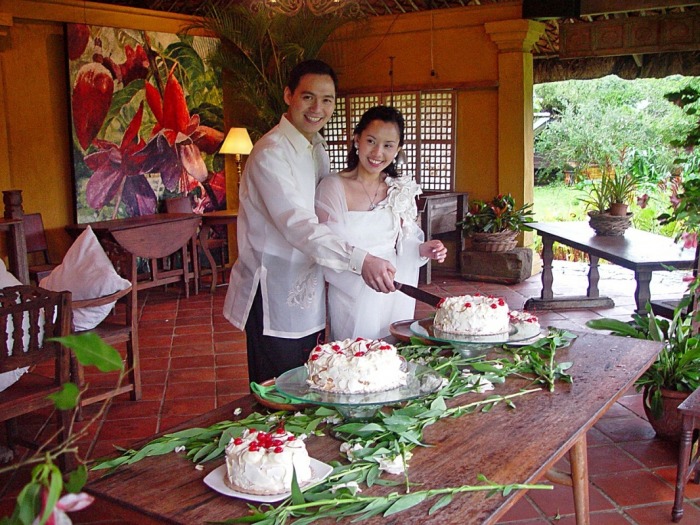
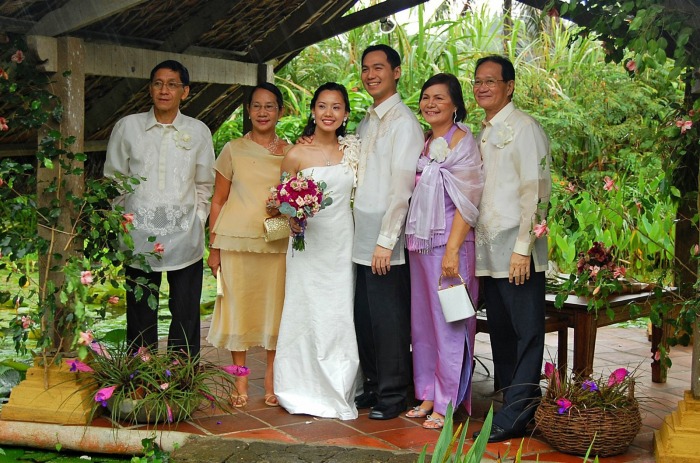
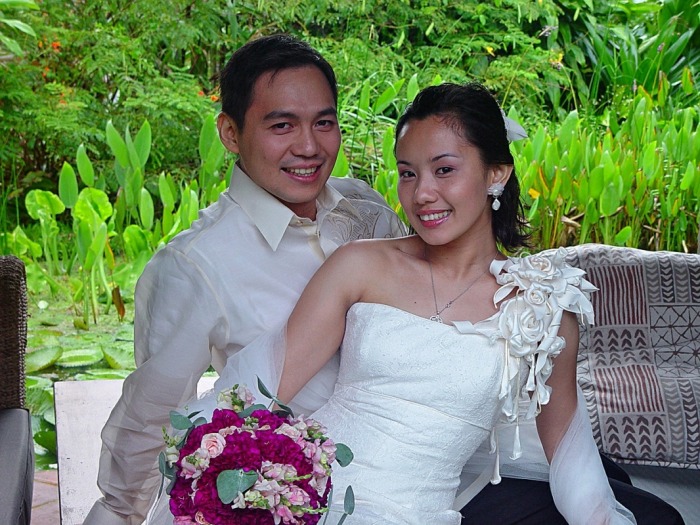
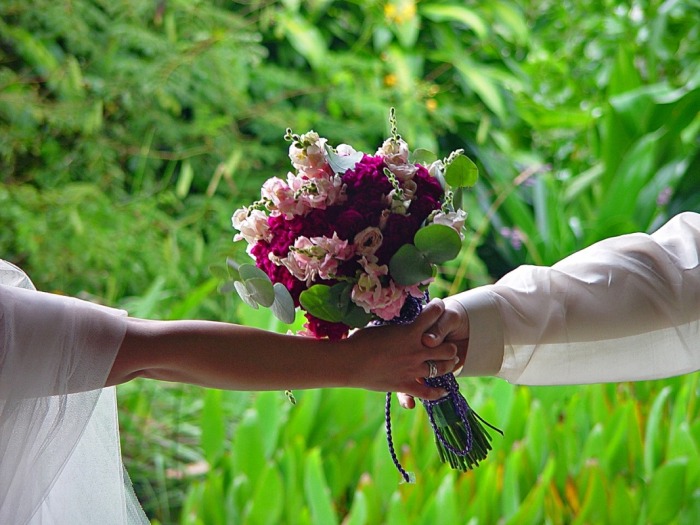
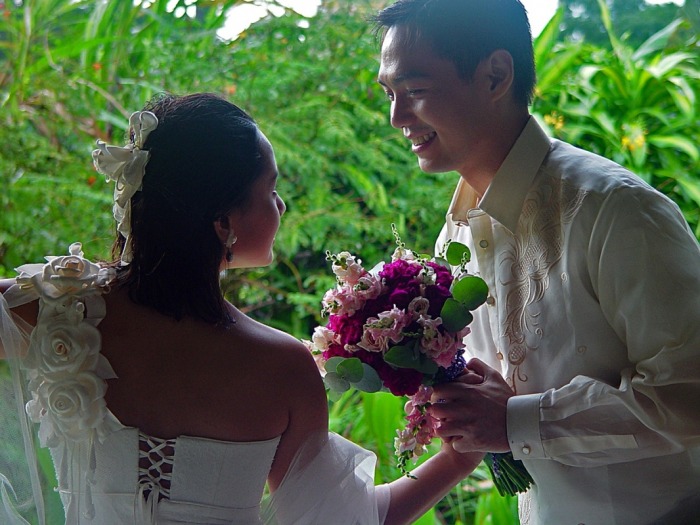
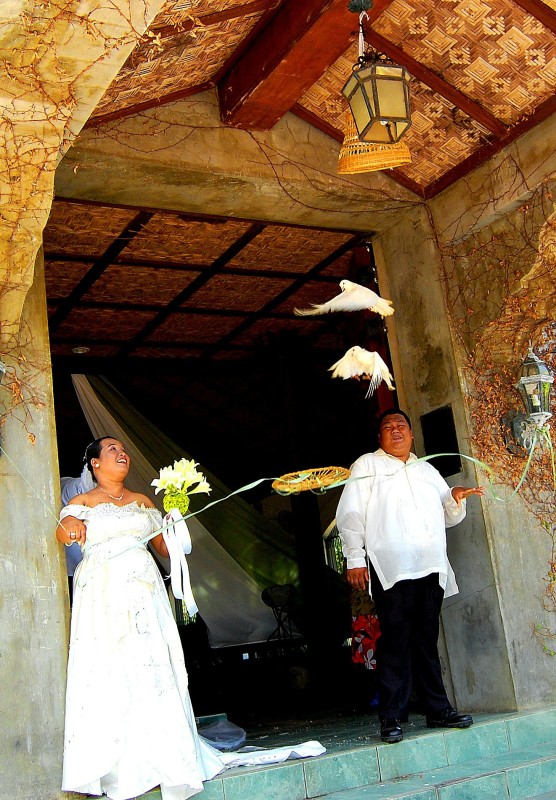
Gerry and Hannah’s wedding was one very adventurous assignment I covered and probably the most memorable one also. It happened last September 27, 2009 in Tagaytay City, Philippines. We arrived in Manila the day before the wedding and on the wake of Bagyo Ondoy and were stranded in some parts of the South Luzon Express Way—where we stayed there for seven hours and we didn't get a lunch. From NAIA the couple fetched us and drove us to Jollibee where we had a snack before moving to the Fiesta Mall in Alabang. After eating the last lunch we had for that day at the Kenny Roger’s Restaurant, we decided to take some time hanging around the mall as we were planning to leave for Laguna by the afternoon. The heavy rain was unrestrained for hours since the morning of that day that when we left by 2:00 p.m. we turned our way back from Laguna as news over radio was broadcasting that the place was then being submerged and nothing useful could we gain if we still drive down there. The couple decided to go back to find some place to stay for a while and just wait for the flood to subside a little so we can proceed. We pulled over at the top of a fly over and stayed there for several hours. We got stuck and stranded as we watched some vehicles pushing their way through the flooded highway of which some met breakdowns. The heavy rain started to pour so bad that Gerry’s Honda CRV’s wheel had been in trouble wading through the heavy current of water overflowing the highway. We left the fly over at pass 11:00 in the evening when the water level became manageable at some height below the car’s bottom fender. We were able to get across some flooded streets and headed for Tagaytay where we will be spending the night and will make some preparations for wedding the next day. Right then we took the way up to the place where the thick fog was greatly obstructing our way. Gerry was on the wheel and he was driving very slow that time as our head lights could hardly give in some vision of the road. We reached the Moon Garden at around 1:00 in the morning and then the couple drove back to Manila. The place in Moon Garden was very cold and the atmosphere was very captivating. I took up some sleep and rose up very early at 5:45 to photograph and shoot some video of the place around. It was so beautiful but the coldness of the air and rain and the very damp weather had caused the moist to build up inside the lenses of my camera. You can’t get rid of it so easily. It’s inside the lens. You can’t wipe it off! You have to heat the thing with a bulb. There were not so many guests that came to the wedding. The occasion was merely confined to a number of family relatives and friends of the couple. But the wedding, despite of the ordeal we’ve had the previous day was one that was not only very memorable but one that was also very elegant as complemented by the mood of a rare and scenic surrounding.
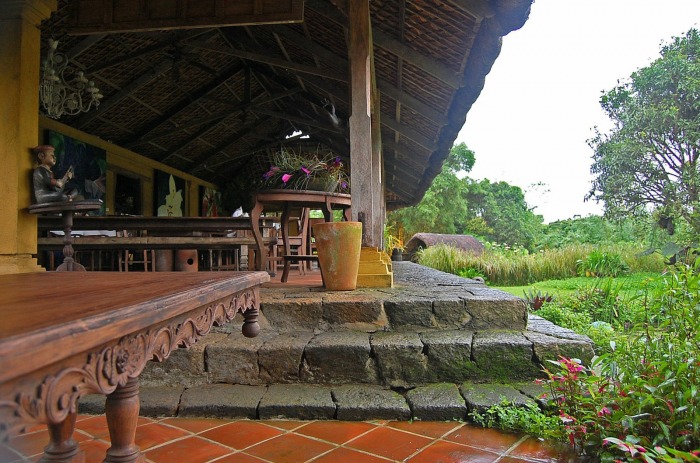
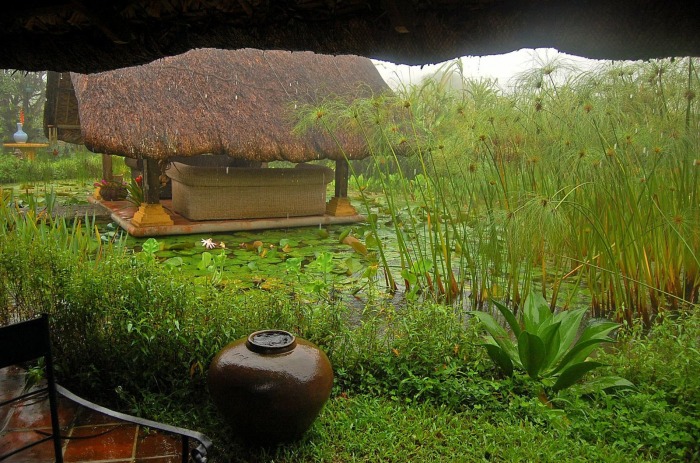



JOHNNY AND ANGELICA, MARCH 6, 2010
The Estopido-Mabasa wedding we covered happened last March 6, 2010 at the San Nicolas de Tolentino Parish Church in Isabela, Negros Occidental. We didn’t expect the place where the reception will be held was a very far one. After the wedding we headed to the bride’s place in Barangay Santol, Binalbagan, Negros Occidental. The place was situated in a mountainous area near the border of Isabela and Binalbagan. I could hardly imagine how people living in that place could make up a transport or rather commute to and from there in their everyday life. Huge boulder of rocks, very steep slope of a narrow passage that trailed from the main road to the other side of the mountain where the bride’s place was, made this place very undesirable for me to go back. With our equipments in our knapsack we carried on our backs, my video assistant, Romel and I braved the place to document to reception of the wedding. There was no service of electricity in that place. The sound system was ran by two 12 volts truck batteries. Had we known of it (the place) earlier, we would not have dared going up for this deal. And we shoot this wedding coverage at the expense of a very laborious and backbreaking escapade.

HENRY AND FEBRY, MAY 3, 2010
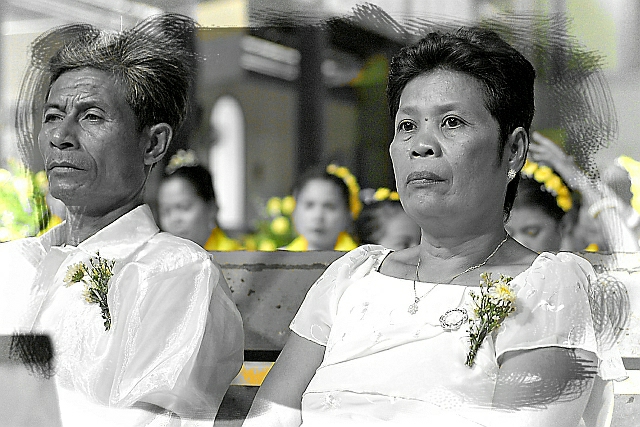
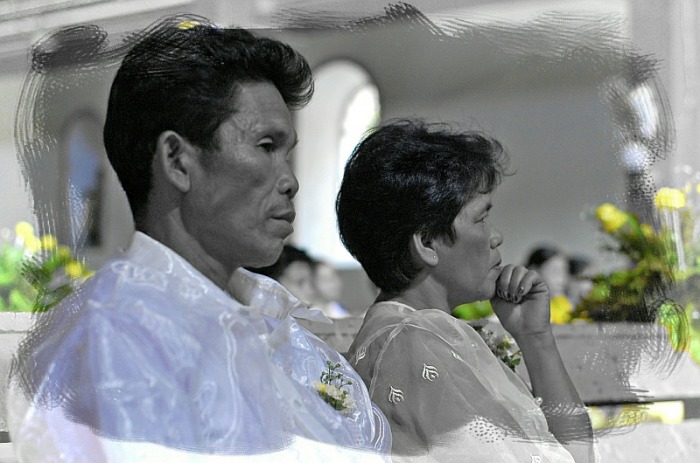
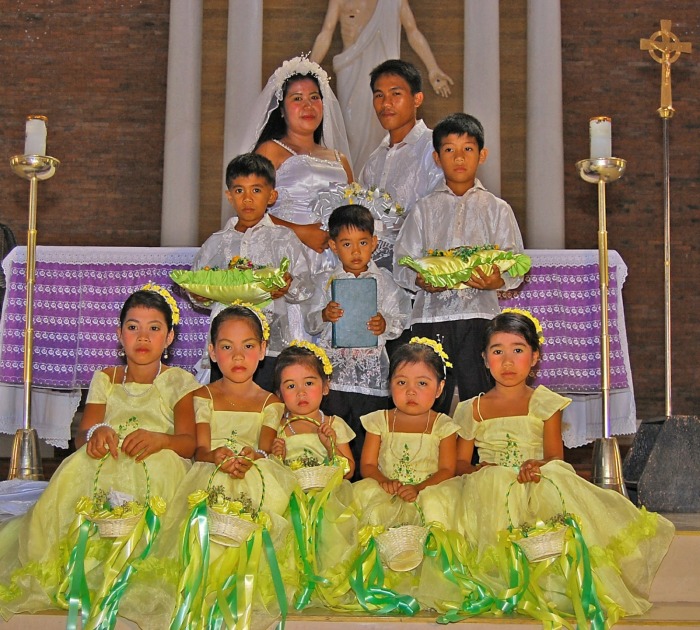
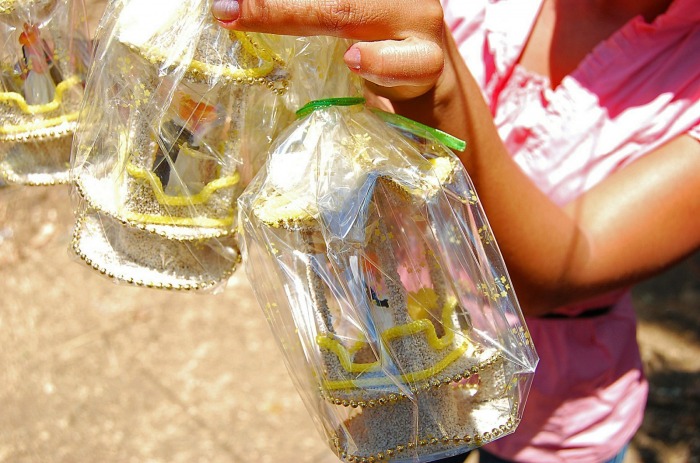
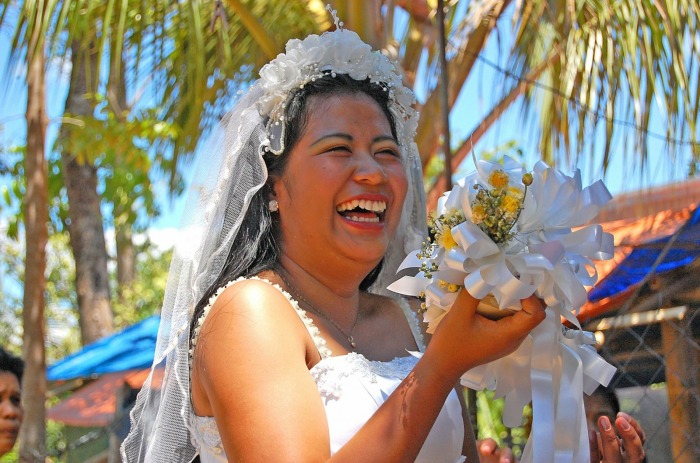
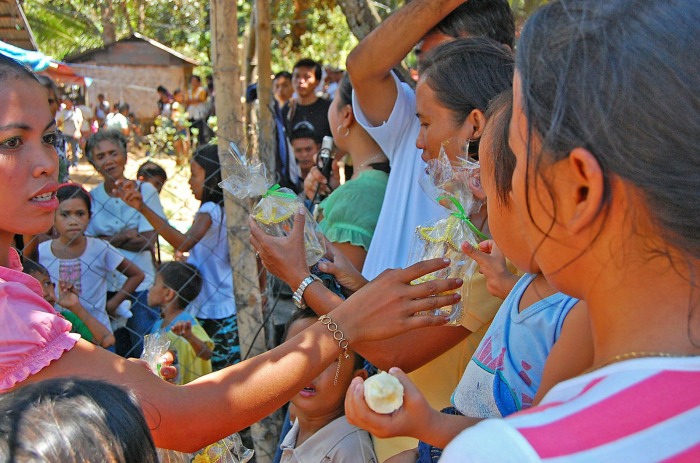
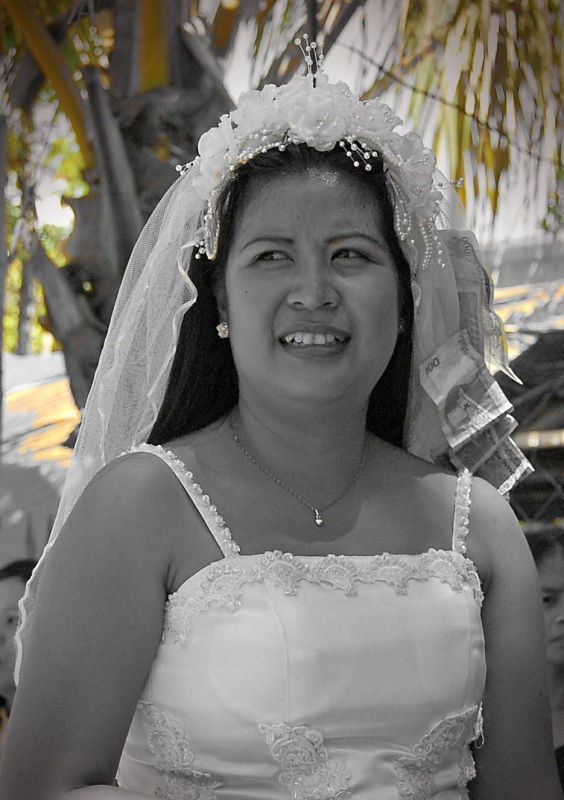
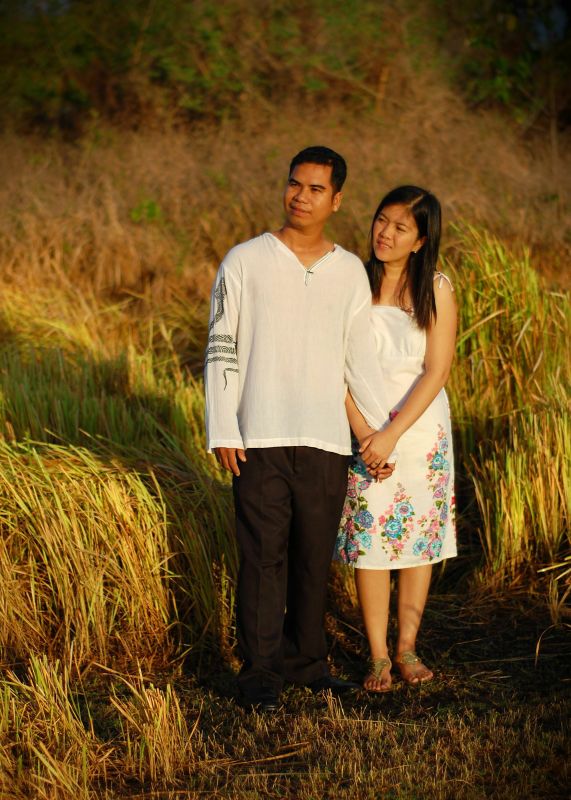
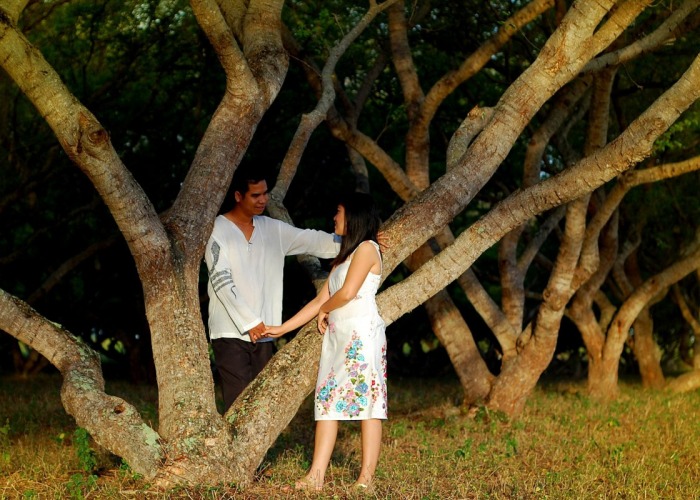
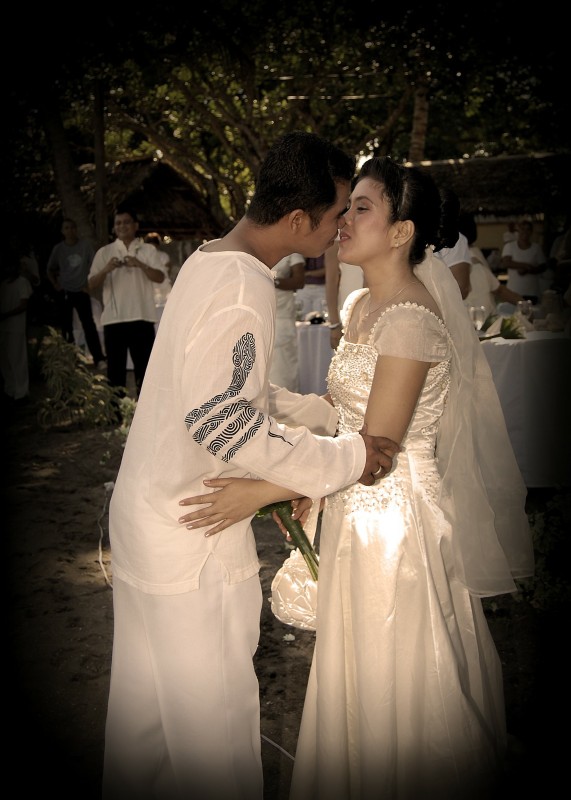
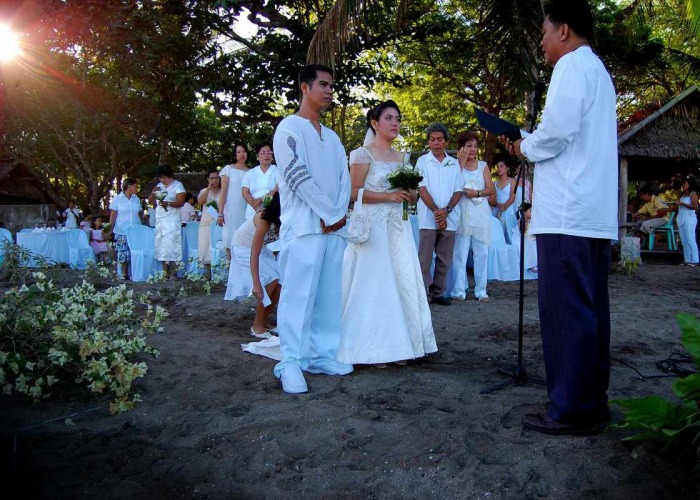
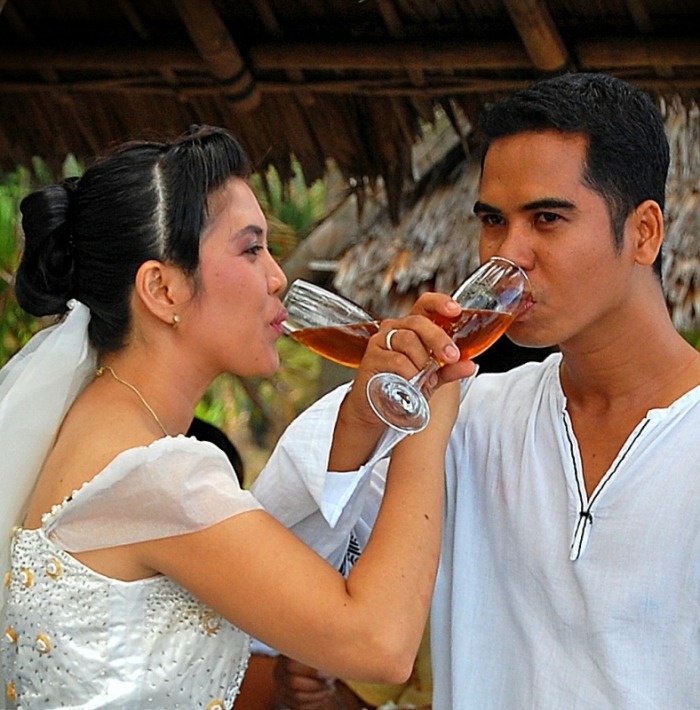
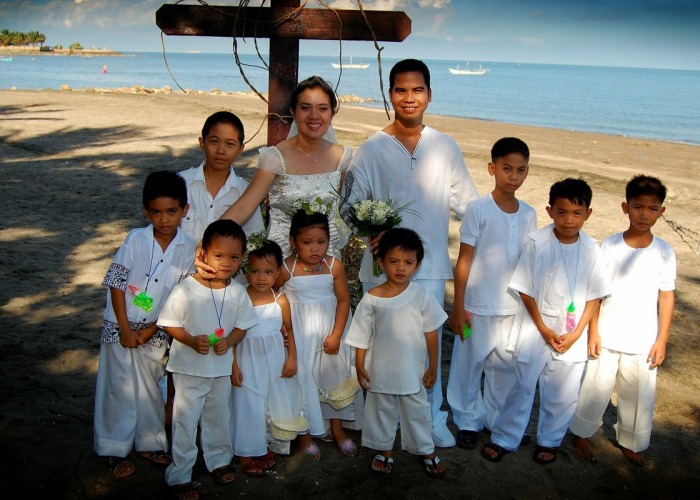
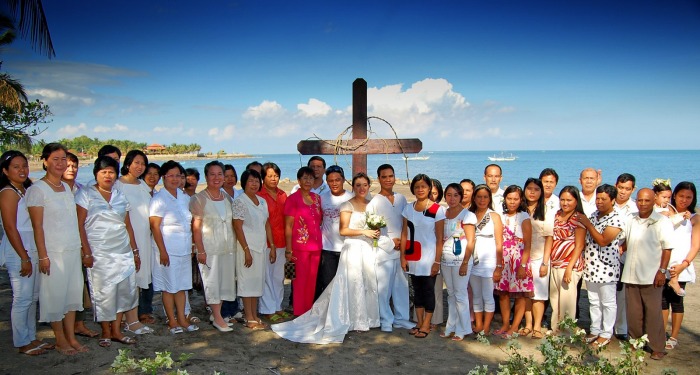
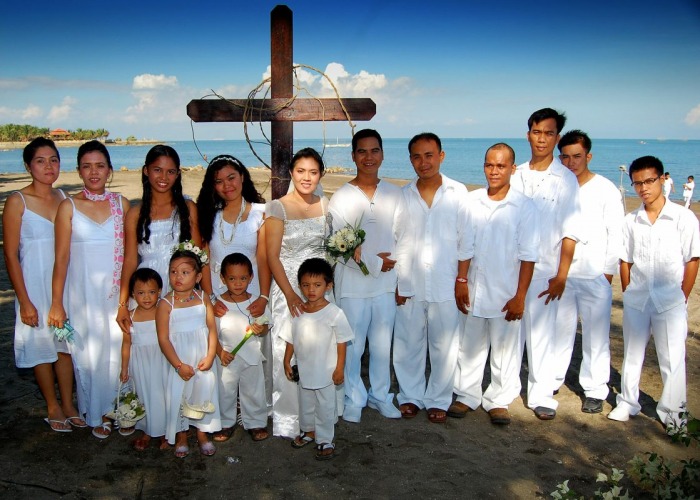
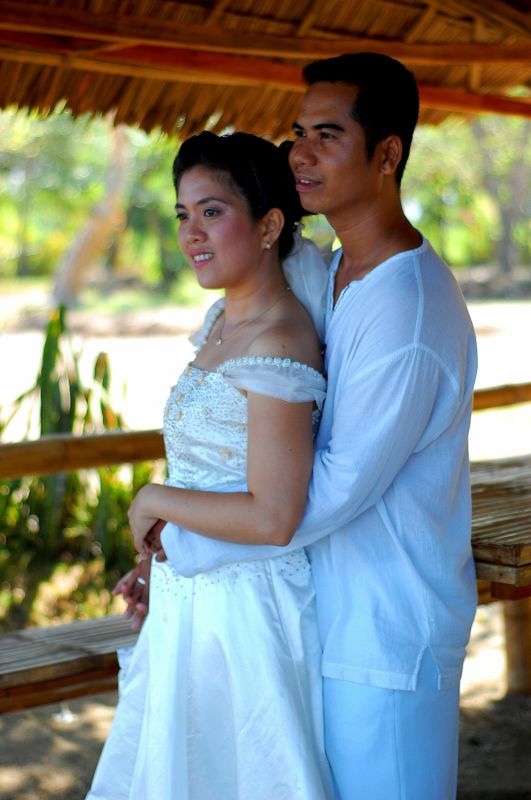
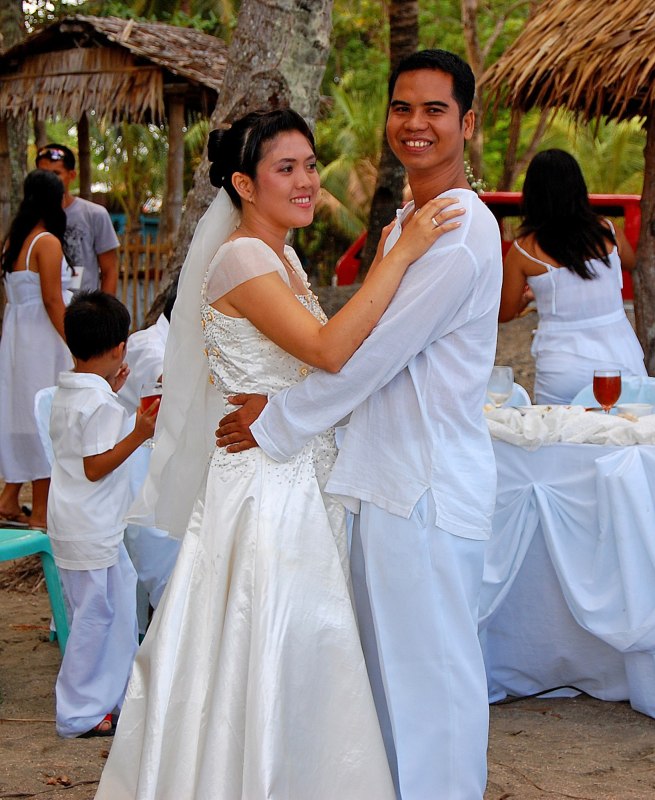
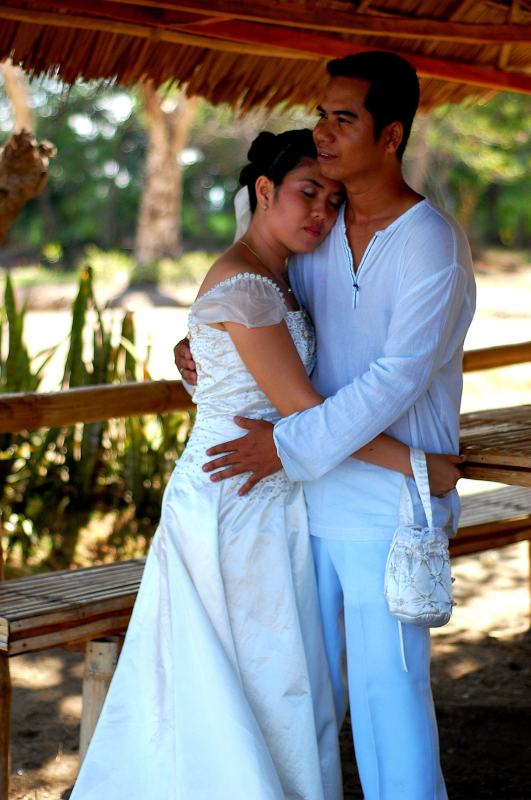
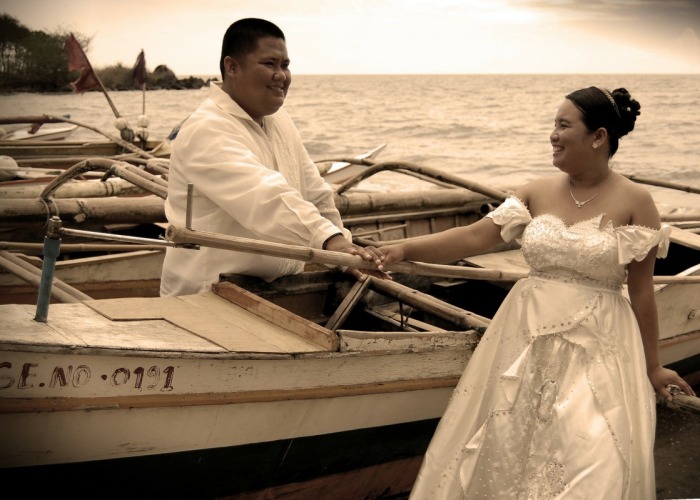
Henryl and Phebry’s wedding took place last May 3, 2010 in Bulubituon Beach Resort, Hinigaran, Negros Occidental. The wedding was beautiful and was properly rehearsed. The couple has had their time rehearsing the sequence the day before. I have also been to the place during their rehearsal to see it for myself how the place and surrounding look like so I can have in mind what things to do in preparation. The wedding was set at 6:00 in the morning—a sunrise wedding I call it. The beach wedding on the other hand was somewhat difficult to undertake especially when you photograph people with their backs toward the sea; as almost in all kinds of photography situation, having a strong light in front of your camera, or back lighting your subject can defeat the output and quality of the pictures. Where in most cases you would have your subject under exposed while you blow out the whole thing in the background. The sea was reflecting too much sunlight at around 8:00 in the morning, just in time for the ceremony to finish and we’re in to start the altar pictorials. I have to use spot metering just to lighten the contrasting light coming from sea and put on some fill in flash to deal with the situation.

ADONIS AND DAHLIA, MAY 15, 2010



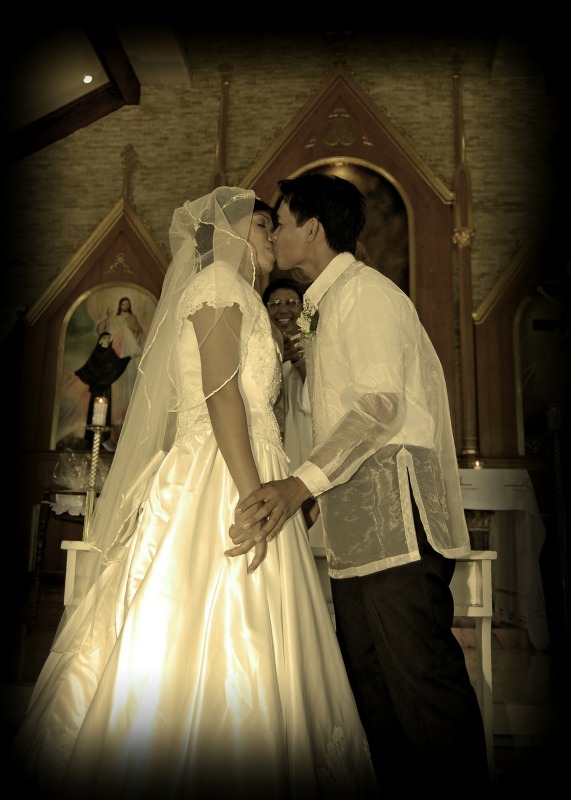




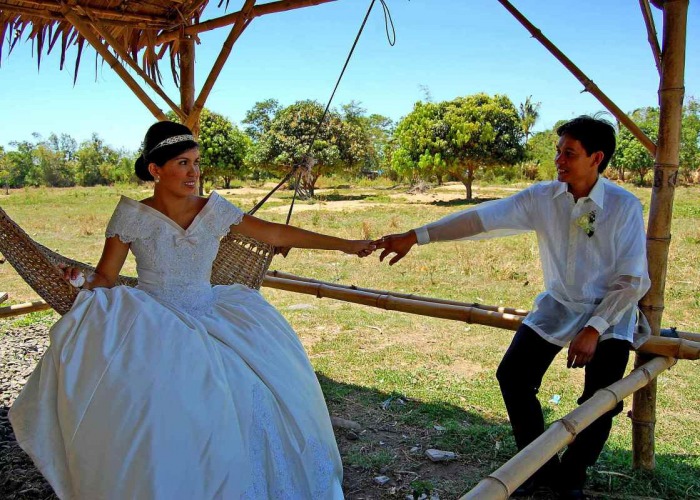
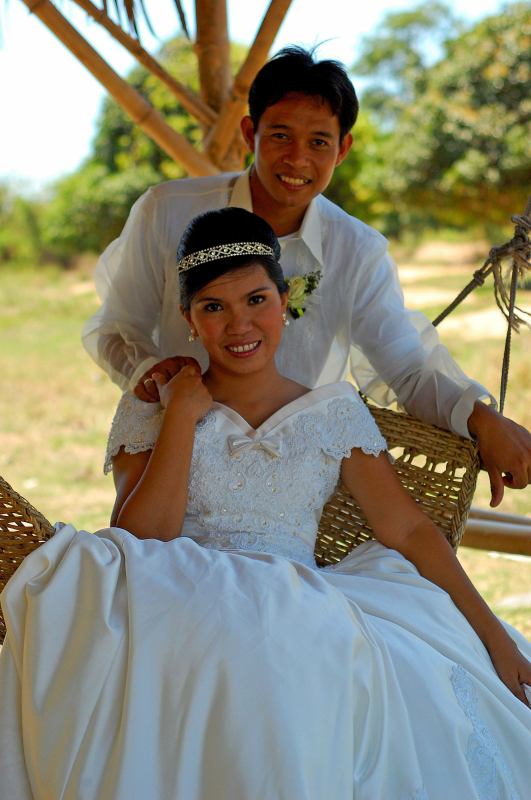
ROLANDO AND WINNIE, MAY 20, 2010
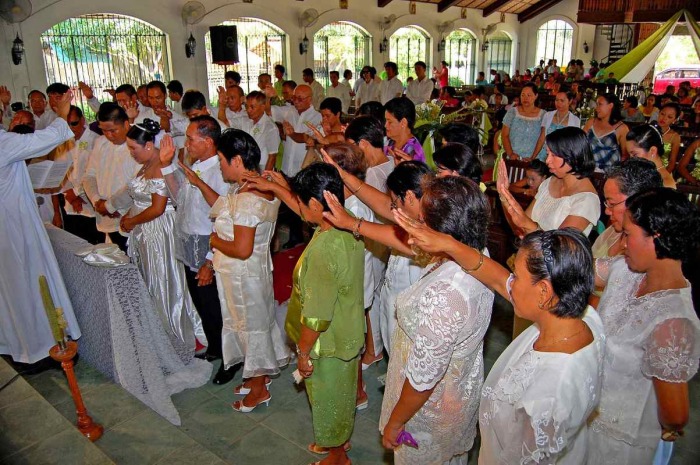

PEÑAFORT-VASQUEZ WEDDING, JUNE 20, 2010
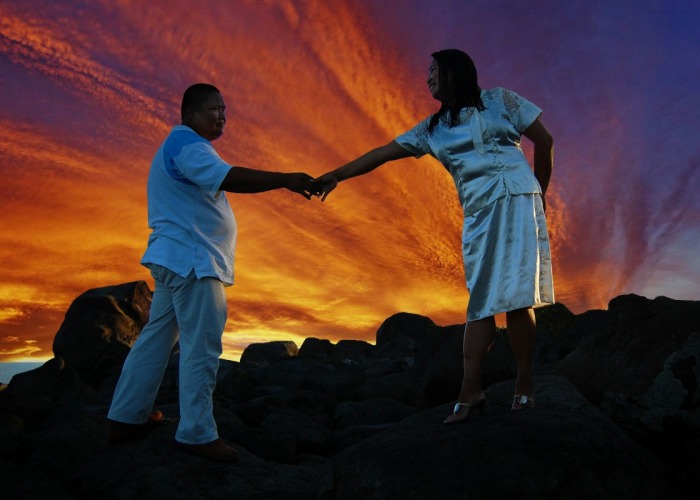
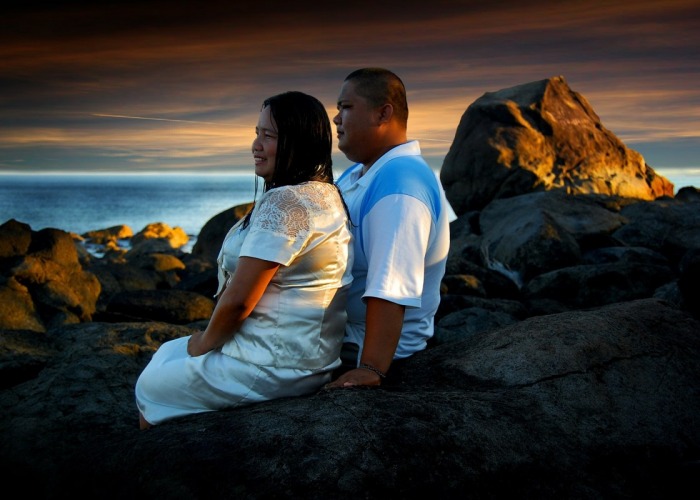
The weather on that morning of June 20 was one we cared so little as Romel and i drove some 8 kilometer route to the uplands of Barangay Cmbarus. We took the way passing Barangay General Malvar when the inception of drizzling breeze began and slightly hampering us on our way. We’re traveling on a single motor bike and twice the course of this route we will be taking to video and photograph the Penafort-Vasquez wedding. We reached the place passed 7:00 o’clock and we started to video and document the preparations and the place around, and late by 9:00 left the place after the bride got through with the dressing. We then proceeded to the Saint Michael Parish Church to set up our equipments. The wedding was fashioned in a conduct of a country style ceremony and ended a pretty good phase at 10:30. As usual, our big problem, in all our wedding coverages is how to go around from place to place near the altar. As in all catholic churches, wedding facilitators usually warned us not get much closer to the altar. We can only just photograph from the side. This will not do justice to my desire to get a good angle on my shots though, so i usually go around the rules and took stolen but candid shots of the ceremony. Nang Derma Grijaldo was the wedding facilitator in Saint Michael Parish Church and many times she admonished us to stop going around the altar when the mass has started.
We drove back to Barangay Cambarus after the wedding for the reception at the bride’s place. Light rain was expected and we got poured on. The reception was obviously as traditional as it appears—was on the classic Filipino custom. Couple dancing having pinned by guests and sponsors of the money bills on their dresses but unfortunately, brown out struck the occasion at 12:00, yet the couple proceeded to dance along the chantings and mumblings of “bahay kubo” and “leron-leron sinta” and folks around clapping their hands to motivate them to the dance steps.
We drove back to Barangay Cambarus after the wedding for the reception at the bride’s place. Light rain was expected and we got poured on. The reception was obviously as traditional as it appears—was on the classic Filipino custom. Couple dancing having pinned by guests and sponsors of the money bills on their dresses but unfortunately, brown out struck the occasion at 12:00, yet the couple proceeded to dance along the chantings and mumblings of “bahay kubo” and “leron-leron sinta” and folks around clapping their hands to motivate them to the dance steps.




JUNRYL AND LOVIL
August 8, 2010
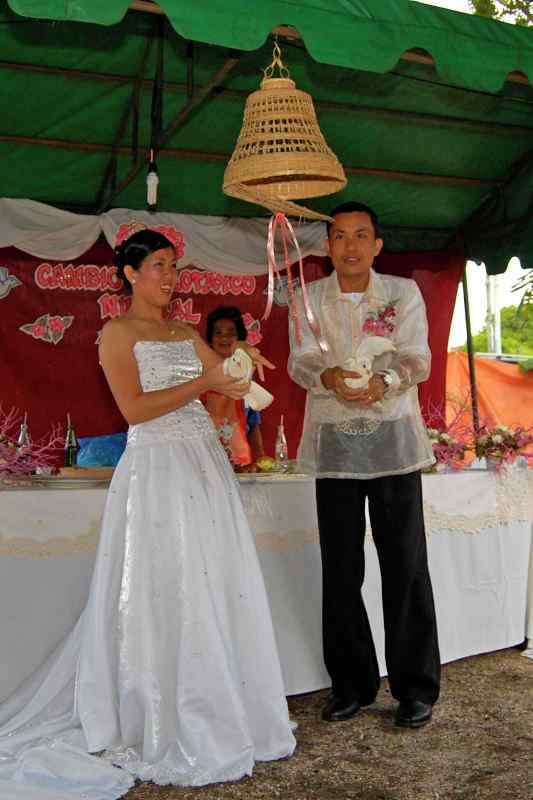
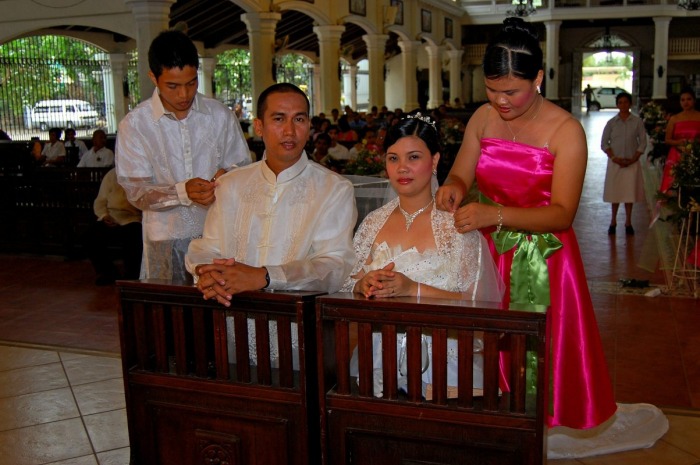
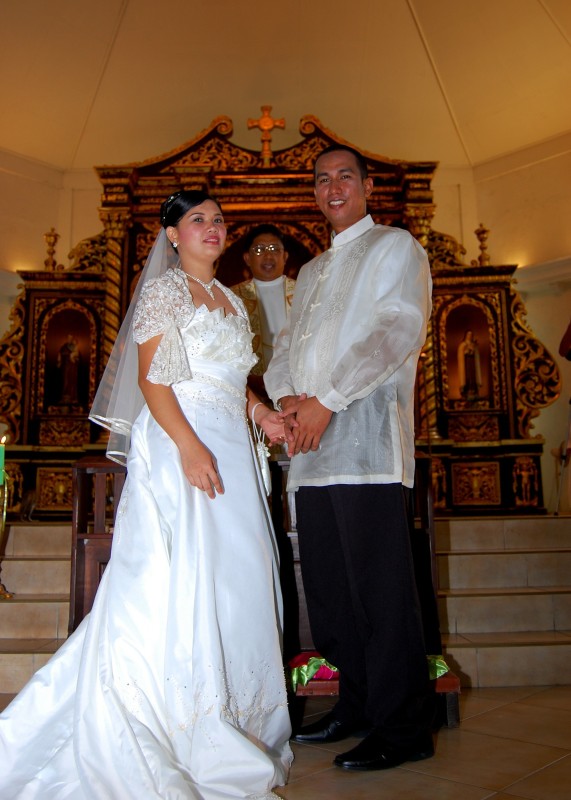
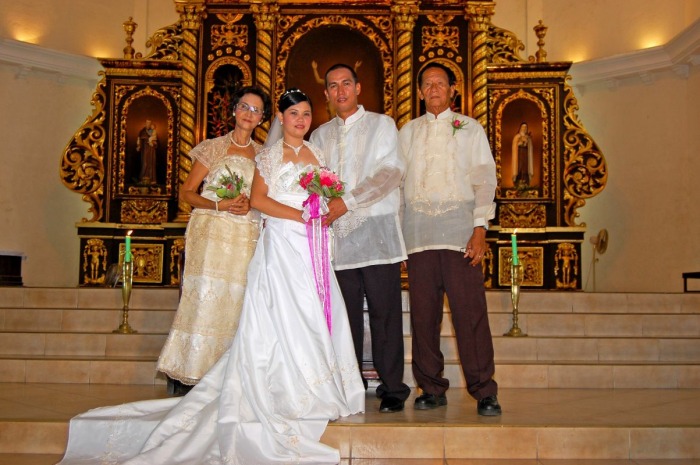
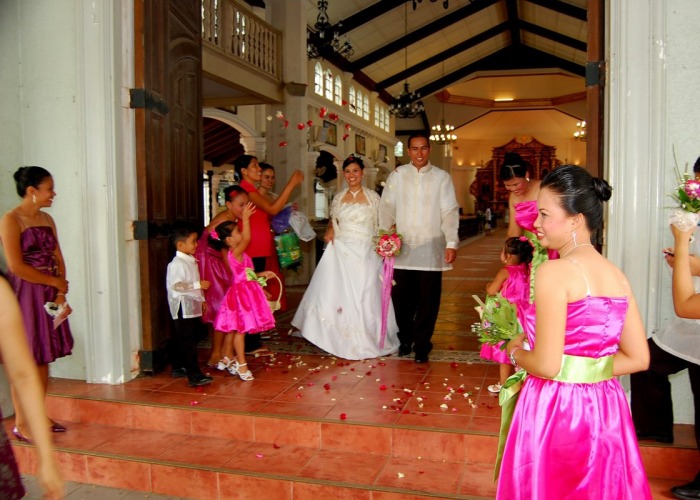
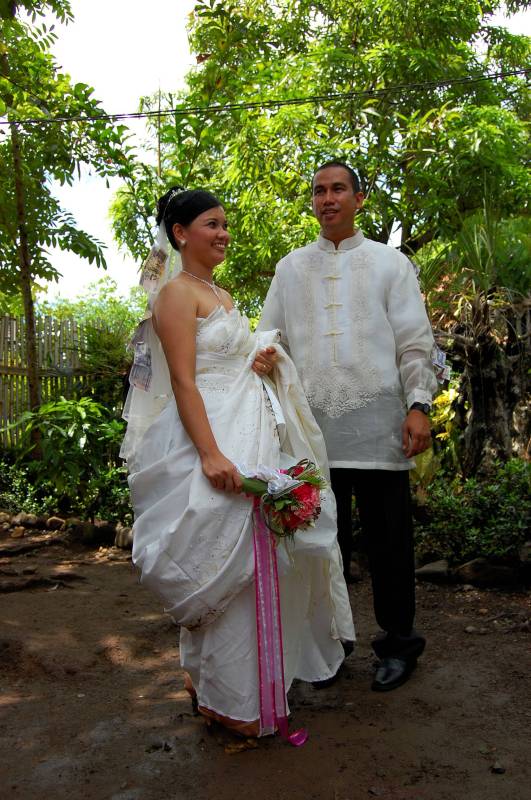
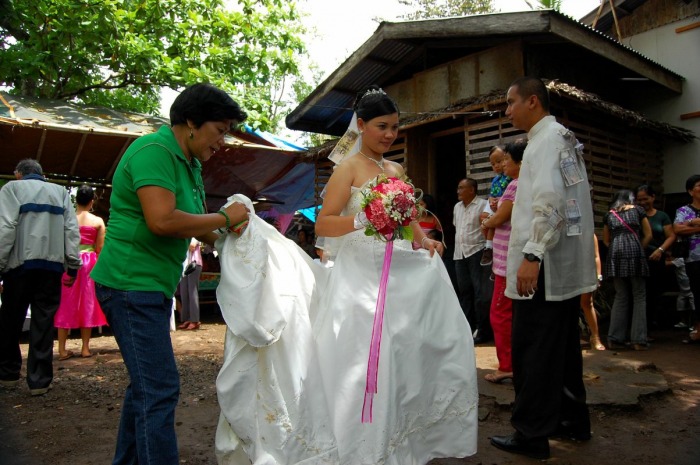
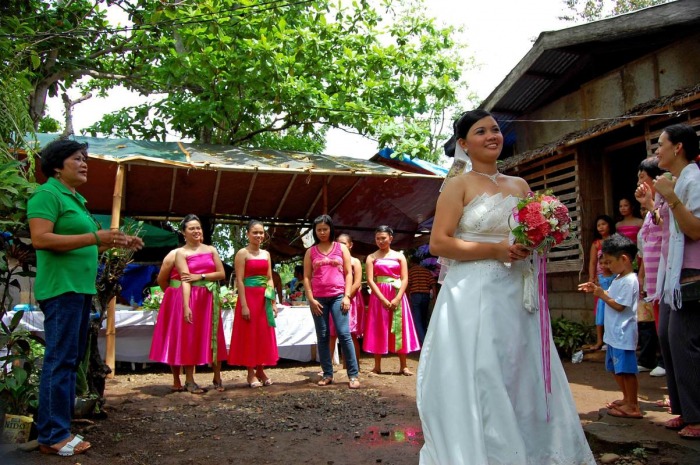
WE COVERED THE CAMBIO-LOTAYCO WEDDING THAT TOOK PLACE SUNDAY, THE 8TH OF AUGUST AT THE AGLIPAYAN CHURCH (PICC) OF SAN ENRIQUE, NEGROS OCCIDENTAL. ROMEL AND I STARTED DOCUMENTING THE PREPARATION AT THE BRIDE'S RESIDENCE AT AROUND 10:20 AM; AND AS WHAT WE ALWAYS EXPECT IN THE COURSE OF OUR JOB, DELAYED IS INEVITABLE. WE'VE GONE ALL THE WAY THROUGH THE CHURCH AT PASSED 2:00 PM. THIS TIME, WE WILL BE WORKING WITH THE AGLIPAYAN. WE WERE USED TO WORK WITH THE BAPTIST AND THE ROMAN CATHOLIC STYLES OF CEREMONY, BUT NOT WITH THE AGLIPAY. BUT EVERYTHING CAME OUT SMOOTH IN THE PROCESS, EXCEPT THAT WE WERE ASKED TO PAY 100 PESOS FOR THE CHURCH ELECTRICITY SERVICE AFTER THE WEDDING. THIS TIME WE FEEL IT A BIT DIFFERENT. WE HAVE THE FREEDOM TO MOVE AROUND FROM PLACE TO PLACE TO PHOTOGRAPH THE CEREMONY. WE CAN ALSO VIDEO AND PHOTOGRAPH FROM ALL ANGLES AS WE WERE NOT RESTRICTED FROM DOING SO EVEN DURING THE MASS. IT WAS A SHORT WEDDING CEREMONY, NONETHELESS WE WERE ABLE TO ACCOMPLISH EVERYTHING THERE IS TO SHOOT IN THE CHURCH, AND BY 3:40 PM, WE WERE DONE.
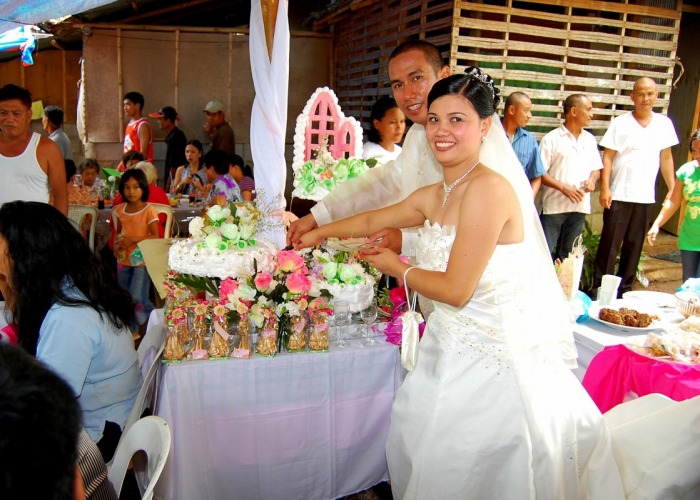
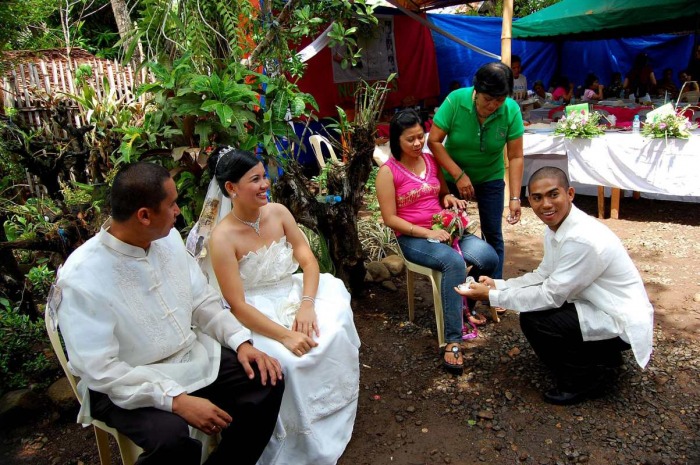
WE PROCEEDED BACK TO THE BRIDE'S PLACE AT CROSSING CAINGIN, BARANGAY 3, PONTEVEDRA, NEGROS OCCIDENTAL FOR THE RECEPTION; BUT WE WERE SURPRISED TO LEARN THERE WAS NO SOUND SYSTEM PLAYING MUSIC WHEN WE ARRIVED. NO MICROPHONE WAS USED IN THE PROGRAM. ALL THE WHILE WE THOUGHT WE'RE AGAIN EXPERIENCING ANOTHER POWER FAILURE, BUT NO! IT'S JUST WHAT THEY PREFERRED TO DO... NO MUSIC, NO MICROPHONE. WAS IT JUST PLAIN AND NATURAL? I DON'T KNOW, BUT WE HAVE BEEN BLESSED WITH A VERY NICE WEATHER THAT AFTERNOON, AS WHAT WE'RE ALWAYS ANTICIPATING EVERY AFTERNOON TO HAPPEN, BUT THAT TIME AROUND, IT DIDN'T RAIN... OUR CONGRATULATIONS TO THE COUPLE-- JUNRYL AND LOVIL.
WE PROCEEDED BACK TO THE BRIDE'S PLACE AT CROSSING CAINGIN, BARANGAY 3, PONTEVEDRA, NEGROS OCCIDENTAL FOR THE RECEPTION; BUT WE WERE SURPRISED TO LEARN THERE WAS NO SOUND SYSTEM PLAYING MUSIC WHEN WE ARRIVED. NO MICROPHONE WAS USED IN THE PROGRAM. ALL THE WHILE WE THOUGHT WE'RE AGAIN EXPERIENCING ANOTHER POWER FAILURE, BUT NO! IT'S JUST WHAT THEY PREFERRED TO DO... NO MUSIC, NO MICROPHONE. WAS IT JUST PLAIN AND NATURAL? I DON'T KNOW, BUT WE HAVE BEEN BLESSED WITH A VERY NICE WEATHER THAT AFTERNOON, AS WHAT WE'RE ALWAYS ANTICIPATING EVERY AFTERNOON TO HAPPEN, BUT THAT TIME AROUND, IT DIDN'T RAIN... OUR CONGRATULATIONS TO THE COUPLE-- JUNRYL AND LOVIL.